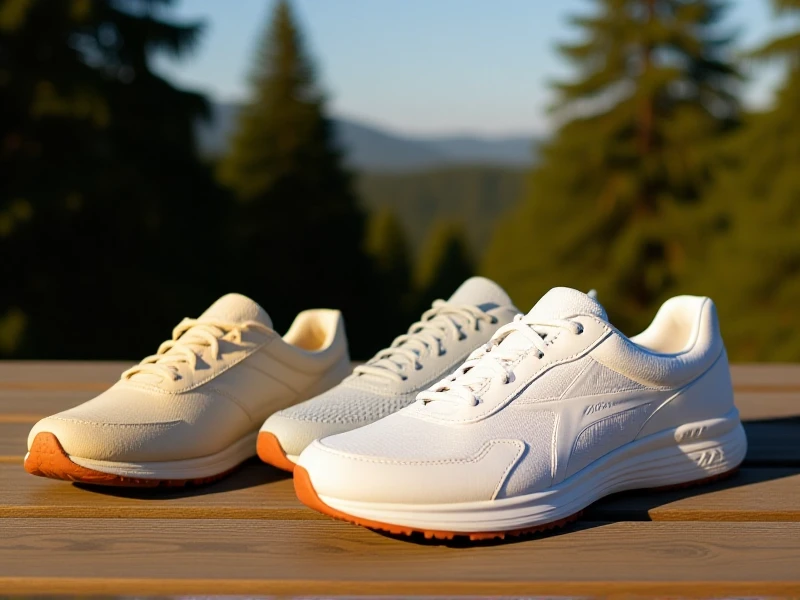
Finding Your Perfect Pair: Your Ultimate Guide to Running Shoes
Running transforms lives, boosting fitness, mood, and well-being. But your success hinges significantly on one crucial element: your running shoes. Choosing the right pair isn't just about style; it’s about performance, injury prevention, and enjoying every stride. Understanding the key differences will help you conquer the road or trail, mile after mile.
The foundation lies in understanding your unique running mechanics. Primarily, consider your foot arch (low, neutral, or high) and your pronation pattern – how your foot naturally rolls inward upon landing. Running shoes are meticulously designed for specific needs:
- Stability/Roomy Fit: Ideal for runners with low arches or overpronation. These feature firmer medial (inner side) support to guide the foot.
- Neutral Cushioning: Designed for neutral pronators or runners with normal arches. They offer balanced cushioning without corrective elements.
- Motion Control: The strongest support for severe overpronation, often paired with high cushioning.
- Flexible Fit: Prioritize lightweight feel and ground connection, popular with speedwork or efficient, neutral runners who prefer less structure.
Beyond pronation, think about where you run. Dedicated road running shoes focus on cushioning asphalt impact. Trail running shoes boast aggressive outsoles for grip and rugged protection from roots and rocks, often with a protective rock plate. Think about the distance you cover: long-distance runners generally prefer maximum cushioning for comfort over miles, while racers seek lightweight performance shoes.
Modern technology offers innovations like responsive foams that both cushion and return energy to your stride. Brands like Asics, Nike, Brooks, Saucony, and Hoka One One continually refine cushioning systems, support mechanisms, and upper materials for breathability and fit. Trying on several models is non-negotiable. Visit a specialized store, get your gait analyzed, and run down the aisle! Ensure a snug (not tight) heel, ample toe box room to wiggle toes, and check fit later in the day when feet swell slightly.
Proper care extends the life of your run shoes. Rotate two pairs if possible to let foam recover. Avoid machine washing; clean with a cloth and mild soap. Track your mileage – most running shoes lose significant cushioning and support after 300-500 miles, requiring replacement to avoid injuries like shin splints or knee pain.
Investing time in finding your perfect running shoes is investing in your running journey’s joy and longevity. The right pair minimizes injury risk, maximizes comfort, and lets you focus purely on the exhilarating feeling of the run. Listen to your feet, understand your needs, and step confidently towards your goals. Your ultimate runs start from the ground up.